Source MIG Welding CO2 Gas Diffuser for Fabrication, Repair, and Manufacturing
Explore 30 listings for the mig welding co2 gas diffuser compatible with MIG/MAG torches. Buyers can compare specifications like material, dimensions, and cooling types from verified Chinese manufacturers offering OEM support.
Key considerations
Products List
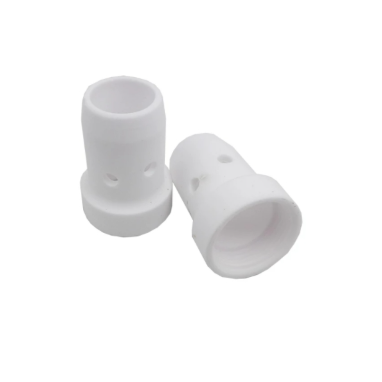
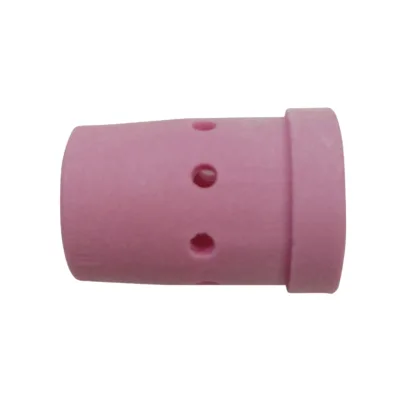
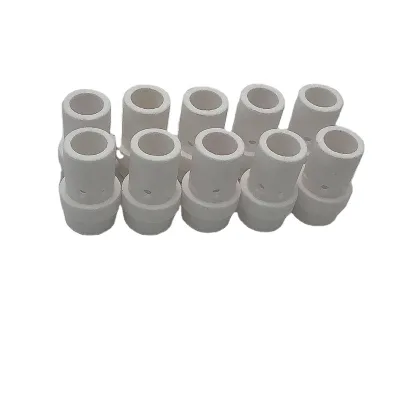
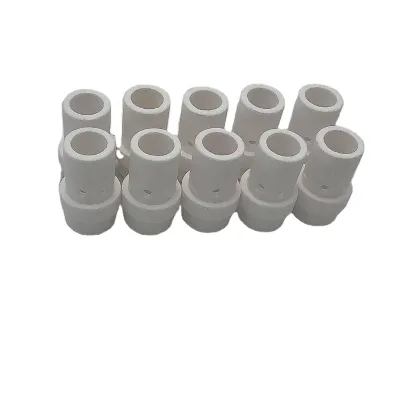

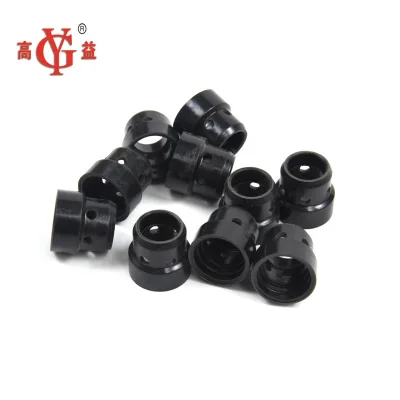
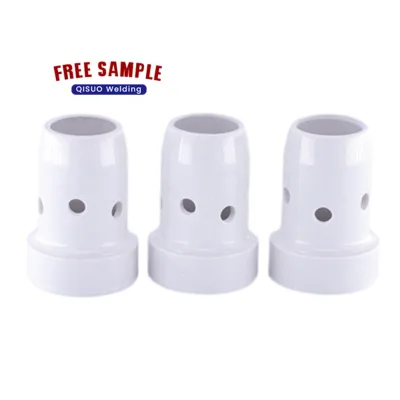
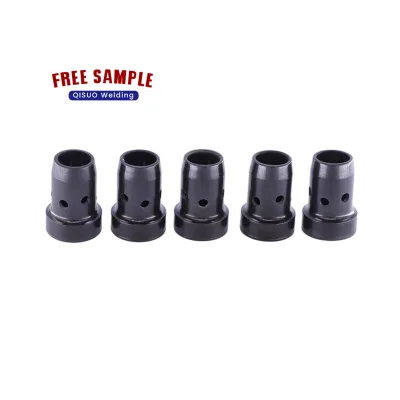


Comprehensive Sourcing Guide
Strategic Sourcing Guide for MIG Welding CO2 Gas Diffusers
Navigating the global market for MIG welding CO2 gas diffusers requires a disciplined approach that balances technical compatibility with rigorous supplier verification. These components are critical for ensuring stable gas flow, preventing spatter buildup, and maintaining the integrity of the welding arc in MIG/MAG/CO2 processes. Buyers must understand that while the core function remains consistent, the specifications, materials, and certifications vary significantly across different manufacturers. This guide provides a structured framework for evaluating potential sources, interpreting technical data, and establishing a reliable supply chain for these essential welding accessories.
Technical Specifications and Compatibility Analysis
The primary challenge in sourcing gas diffusers lies in matching the component to the specific welding torch model. The market offers a variety of model numbers, including the MB501D, P350A, and 36KD, each designed for distinct torch geometries. A gas diffuser intended for an MB501D MIG welding torch will not physically fit a P350A torch, despite both serving the same general function. Buyers must verify the model number compatibility before placing an order.
Dimensional precision is equally critical. Observed specifications for these components often include an outer diameter of 15mm and an inner diameter of 11mm, with lengths varying between 21mm and 28mm depending on the specific model. For instance, a diffuser designed for the MB501D may have a length of 28mm, whereas a unit for the P350A might measure 21mm. These slight variations are not merely cosmetic; they determine whether the gas flow is correctly directed into the nozzle or if the component will interfere with the torch's internal assembly.
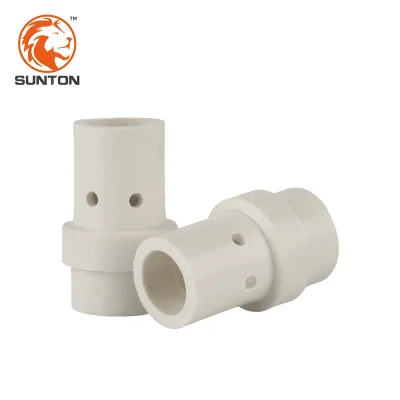
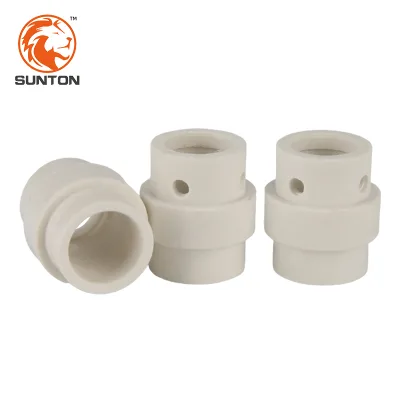
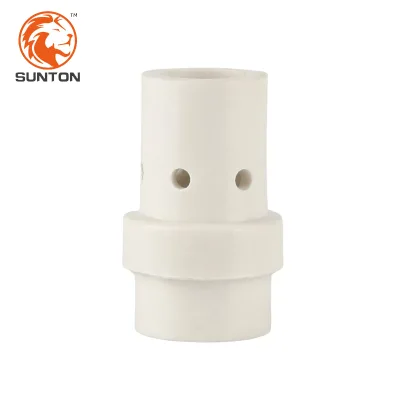
Material composition is another vital technical factor. The majority of high-performance diffusers are constructed from ceramic materials, which offer superior resistance to high temperatures and spatter adhesion compared to metal alternatives. However, some listings indicate "other" material types, necessitating a direct inquiry with the supplier to confirm the specific alloy or composite used. The material choice directly impacts the component's lifespan and its ability to withstand the thermal cycling inherent in continuous welding operations. Additionally, the cooling method is a key specification; most modern diffusers are designed for gas-cooled systems, which are standard for MIG/MAG/CO2 applications. Buyers should explicitly confirm the cooling type to ensure it aligns with their torch's thermal management system.
Compliance, Certification, and Origin Verification
In the B2B procurement landscape, compliance is not optional; it is a prerequisite for market access and operational safety. When sourcing gas diffusers, buyers must prioritize suppliers who can provide valid certification documentation. The CE mark is a common certification observed in the market, indicating conformity with health, safety, and environmental protection standards for products sold within the European Economic Area. However, the presence of a CE mark on a listing does not guarantee that every unit in a batch is certified; it is the buyer's responsibility to request the specific test reports or certificates of conformity for the batch being purchased.
Geographic origin plays a significant role in the supply chain dynamics and regulatory compliance of these parts. Manufacturing hubs for welding accessories are concentrated in specific provinces in China, including Jiangsu, Zhejiang, and Hebei. Each region may have different industrial standards and quality control cultures. For example, products originating from Jiangsu might be associated with specific model numbers like the MB501D, while those from Zhejiang could be linked to the P350A series. Understanding the place of origin helps buyers anticipate potential logistical challenges, such as port of dispatch locations like Ningbo or Shanghai, and assess the reliability of the local supply chain.
Furthermore, buyers should verify the brand identity associated with the product. While some listings display specific brand names like DEM, FEIMATE, or XL, many components are sold as generic OEM parts. It is crucial to distinguish between branded products and generic equivalents, as this distinction often correlates with the level of quality control and after-sales support. If a supplier claims to offer OEM, ODM, or OBM support, they should be able to demonstrate a track record of manufacturing to specific client requirements, rather than simply rebranding standard inventory.
Cost Drivers and Pricing Structures
The pricing of MIG welding gas diffusers is influenced by a complex interplay of factors, including material costs, production volume, and packaging requirements. The observed price range in the market is vast, spanning from $0.04 to $1200. This wide disparity indicates that the market includes everything from single-unit retail purchases to bulk industrial contracts involving specialized equipment or large-scale custom manufacturing. For standard ceramic diffusers, the unit cost is typically low, but the total cost of ownership must account for the Minimum Order Quantity (MOQ) and shipping expenses.
MOQs are a significant cost driver for small and medium-sized enterprises. Suppliers often set MOQs ranging from 1 to 100 pieces, with some specific listings requiring a minimum of 50 pieces. Ordering below the MOQ can result in significantly higher per-unit costs or the inability to secure the product at all. Conversely, ordering in large volumes can leverage economies of scale, reducing the unit price but increasing the upfront capital outlay. Buyers must calculate the optimal order quantity that balances inventory holding costs with the per-unit savings.
Packaging details also impact the final landed cost. Standard packaging often involves neutral packing or specific configurations like 10 pieces per pack. The single package size and gross weight are critical for logistics planning. For instance, a single package measuring 25x18x7 cm with a gross weight of 1.000 kg will incur different shipping charges compared to a compact package of 10x4x3 cm weighing only 0.012 kg. Buyers should request detailed packing lists to accurately estimate freight costs, especially when shipping from ports like Ningbo or Shanghai to international destinations.
Typical Applications and Performance Expectations
Gas diffusers are integral to a wide range of metal fabrication and repair applications. Their primary function is to distribute shielding gas evenly around the welding arc, which is essential for preventing oxidation and ensuring a clean weld bead. These components are compatible with various welding torch types, including MIG, MAG, and CO2 systems. The duty cycle is a critical performance metric for buyers to consider. In high-intensity applications, such as those requiring a 60% duty cycle at 340A for CO2 or 320A for mixed gas, the gas diffuser must maintain structural integrity under sustained thermal stress.
The material compatibility of the welding process also dictates the choice of diffuser. These components are designed to handle a broad spectrum of base metals, including steel, mild steel, stainless steel, aluminum, copper alloys, cast iron, brass, and bronze. While the diffuser itself does not weld the material, its ability to maintain a stable gas shield is paramount for all these material types. For applications involving thin materials with a minimum thickness of 1.0mm, the precision of the gas flow becomes even more critical to prevent burn-through or excessive spatter.
Buyers should also consider the specific application environment. In industrial settings where welding capacity is excellent and operations are continuous, the reliability of the gas diffuser directly impacts production efficiency. A failure in the gas diffusion system can lead to weld defects, rework, and downtime. Therefore, selecting a diffuser with a proven track record in similar applications is essential. The weight of the component, often around 12g for standard units, is a minor factor but contributes to the overall balance of the welding torch, which can affect operator fatigue during long shifts.
Supplier Evaluation and Quality Control Protocols
Evaluating a supplier for gas diffusers requires a multi-faceted approach that goes beyond price comparison. Buyers should assess the supplier's supply ability, with some manufacturers claiming a capacity of 10,000 pieces per month. This capacity indicates the supplier's ability to handle large orders and maintain consistent quality during peak demand periods. However, capacity claims should be verified through site audits or references from existing clients.
Quality control is the cornerstone of a successful procurement strategy. Buyers must establish clear acceptance criteria before production begins. This includes verifying the physical dimensions, such as the outer diameter of 15mm and inner diameter of 11mm, against the technical drawings. Material verification is equally important; if the specification calls for ceramic, the supplier must provide evidence of the material composition and its thermal properties. Testing for spatter resistance and thermal shock tolerance should be part of the quality assurance protocol.
Warranty terms are another indicator of supplier confidence. A standard warranty of 1 year or 1 year is commonly offered, but the terms and conditions should be clearly defined. Does the warranty cover manufacturing defects only, or does it include performance issues related to material fatigue? Buyers should also inquire about the supplier's defect rate and their process for handling non-conforming products. A supplier with a robust quality management system will have clear procedures for rejecting substandard batches and providing replacements promptly.
Long-Term Procurement Considerations
Sourcing gas diffusers is not a one-time transaction but a long-term partnership that requires strategic planning. Buyers should consider the total cost of ownership, which includes not just the purchase price but also the cost of downtime, maintenance, and replacement. High-quality diffusers may have a higher upfront cost but can significantly reduce the frequency of replacements and improve weld quality, leading to long-term savings.
Customization support is a key differentiator for suppliers in the long term. Many manufacturers offer OEM, ODM, and OBM services, allowing buyers to tailor the product to their specific needs. This could involve customizing the dimensions, material composition, or packaging. For companies with unique welding torch designs or specific operational requirements, the ability to work with a supplier on custom solutions can provide a competitive advantage.
Finally, buyers should monitor the supply chain for potential disruptions. Factors such as raw material availability, geopolitical issues, and logistics bottlenecks can impact the delivery of gas diffusers. Establishing relationships with multiple suppliers and maintaining a safety stock can mitigate these risks. Regular communication with suppliers regarding production schedules and lead times is essential to ensure a steady supply of these critical components. By adopting a proactive and evidence-based approach to procurement, buyers can secure a reliable supply of high-quality MIG welding CO2 gas diffusers that meet their technical and operational requirements.
FAQs
Which welding torch models are compatible with these gas diffusers?
These gas diffusers are compatible with MB501D, P350A, and 36KD welding torch models. Buyers must verify the specific model number before ordering because dimensions like length and diameter vary significantly between torch types to ensure proper fit.
What material is used to construct these MIG welding gas diffusers?
Most high-performance diffusers are constructed from ceramic materials to resist high temperatures and spatter. Some listings indicate other material types, so buyers should confirm the specific composition with the supplier to ensure durability under thermal cycling.
What certifications do these products typically hold for international markets?
Many listed products carry the CE certification, indicating conformity with European safety standards. Buyers should request specific test reports or certificates of conformity for the batch being purchased to ensure compliance before placing a large order.
How do dimensions vary between different gas diffuser models?
Dimensions vary by model, with outer diameters often at 15mm and inner diameters at 11mm. Lengths range from 21mm for P350A models to 28mm for MB501D models, making precise measurement critical for correct gas flow direction and assembly.
What is the typical minimum order quantity for these components?
Minimum order quantities typically range from 1 to 100 pieces, with some specific listings requiring a minimum of 50 pieces. Ordering below the MOQ may result in higher per-unit costs or an inability to secure the product at all.
Can suppliers offer customized manufacturing support for these parts?
Yes, many suppliers offer OEM, ODM, and OBM customized support for these components. Buyers should verify the supplier's track record for manufacturing to specific client requirements rather than assuming standard inventory can be simply rebranded.
What is the expected warranty period for these welding accessories?
A standard warranty of 1 year is commonly offered for these gas diffusers. Buyers should clarify if the warranty covers only manufacturing defects or includes performance issues related to material fatigue and thermal stress during continuous operations.